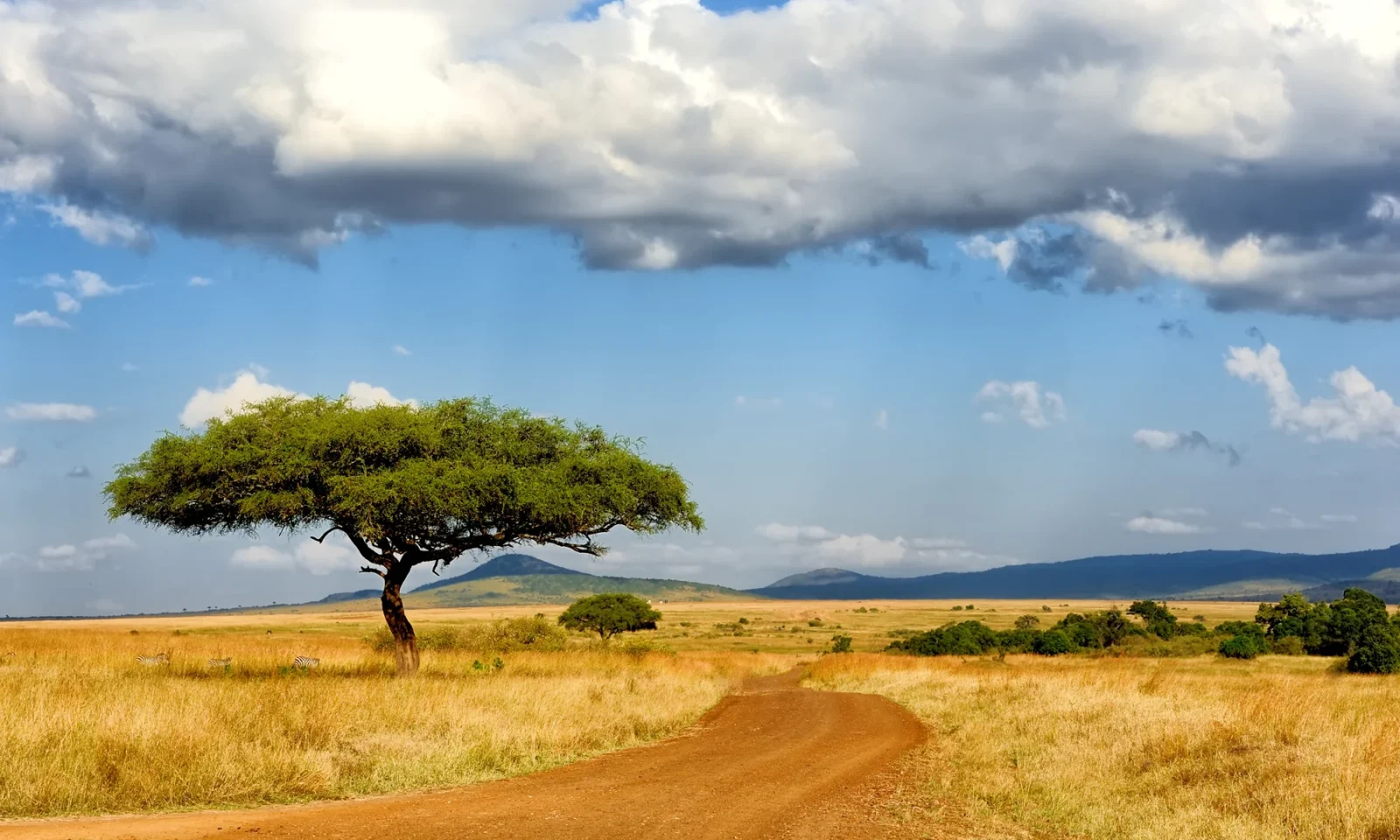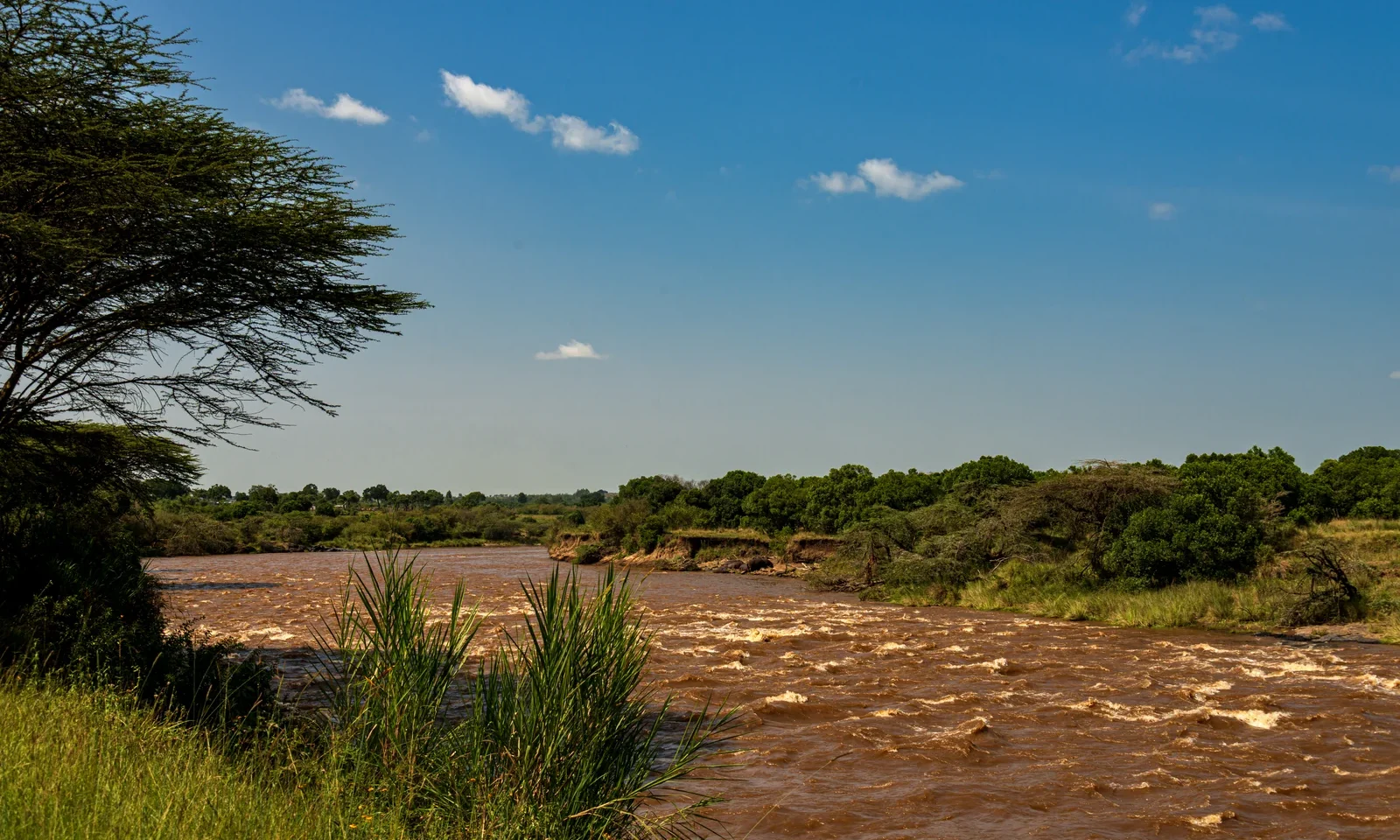
A visit to the Mara can become narrowed by a single picture: a river crossing, a big cat or an animal beneath a tree. Those images can be compelling, but they are records of particular moments. They are not a timetable for the day you arrive. A more open plan gives resident wildlife, habitat and ordinary behaviour space alongside the encounters you most hope to see.
Start by telling your guide what interests you. Birds, small mammals, vegetation and the relationship between animals and their surroundings can all change the pace of a drive. That conversation is more useful than silently expecting the guide to reproduce someone else’s photograph. Be clear about your interests while accepting that wildlife remains free to be elsewhere.

Full Day Dolphin Watching with Snorkeling in Wasini
Our tour is truly unique because it is deeply rooted in the local community and focused on conservation. Every aspect of the experience is driven by l...

Mombasa City Tour
Rich Cultural Heritage Mombasa is a melting pot of cultures, influenced by Arab, Portuguese, British, and African t...

Nairobi Masai village Day Tour Experience
This is an exclusive well detailed tour of the Masai culture and various activities from both men and women. The mak...

Nairobi National Park Elephant Orphanage and Giraffe Centre
Your Nairobi National Park and Giraffe Centre tour stands out for its seamless combination of urban proximity and ri...
Use the habitat as a way into observation
Open grassland offers broad views, while river margins and trees draw attention to shorter distances and shaded detail. Look at the setting before asking for an animal name. Notice the height of the grass, the available shade and how much of a riverbank is visible. Your guide can help explain what those conditions mean locally, without turning an observation into a general claim about the whole ecosystem.
A photograph can preserve that wider context. The elephant in our Mara North image is part of an open landscape with a tree and a changing sky. Cropping only to the animal would remove much of the relationship that makes the scene informative. When conditions allow, make one wider image as well as a closer view, and keep the location with the photograph afterwards.
Make space for smaller subjects
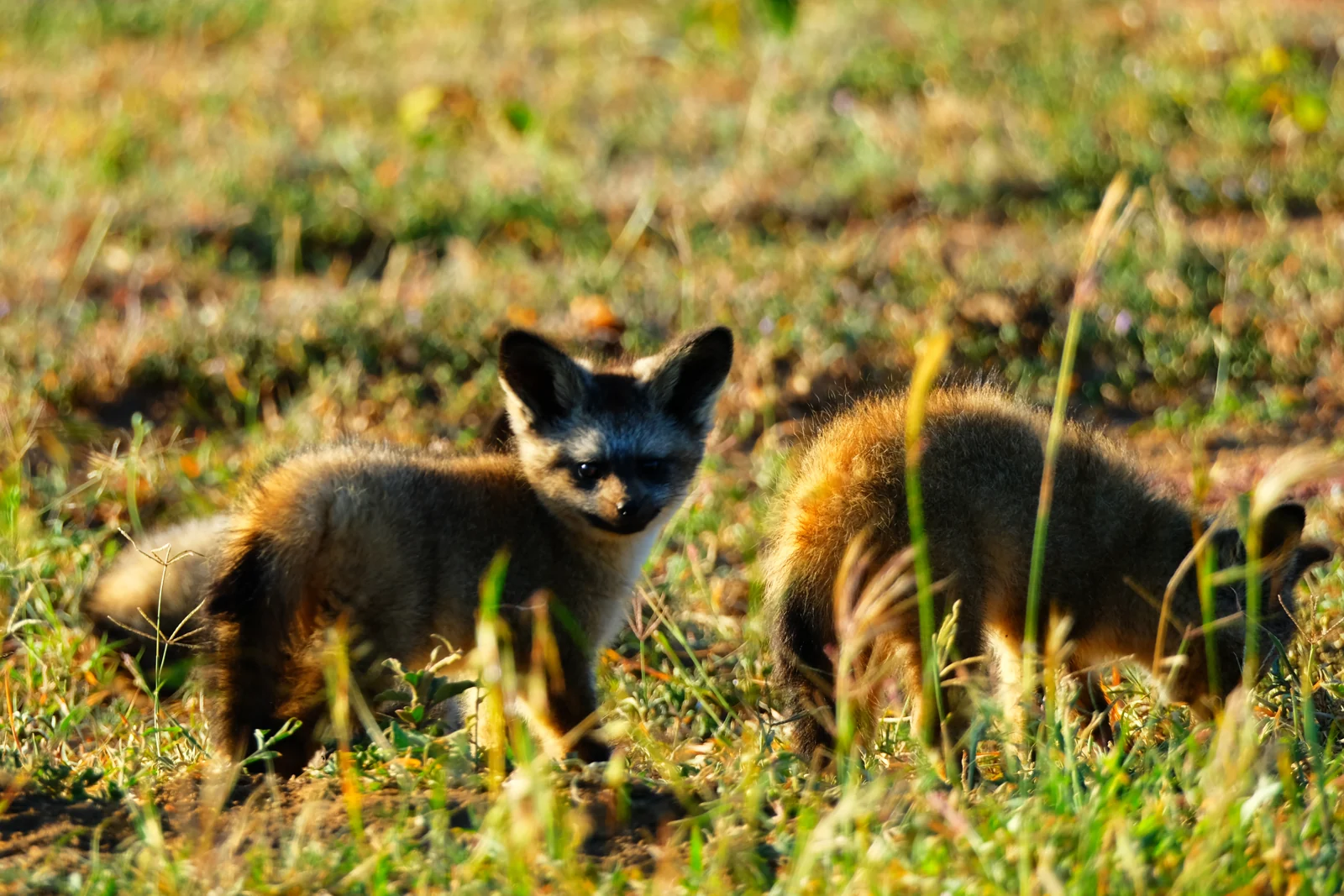
The licensed photographs accompanying this guide record juvenile bat-eared foxes and a purple grenadier in Naboisho Conservancy. They show that an editorial wildlife sequence need not be built only from lions and river crossings. Their presence in the archive does not predict what a visitor will encounter on a particular drive. Each image is tied to its own photographer, date and place.
Small subjects also reward a different kind of attention. Ask the guide when it is appropriate to pause, and use the available viewing position without crowding an animal or moving to obtain a preferred angle. If identification is uncertain, record that uncertainty. A careful description and a location are more useful than a confidently incorrect label attached to every photograph.
Let the guide manage the approach
Read the relevant manager’s current rules and follow the guide’s instructions in the area you are visiting. The Mara Conservancy publishes park rules for the Triangle; conservancy arrangements should be checked with the appropriate host. Do not assume that an activity mentioned in one area is permitted in another. A visitor’s photograph is not a reason to override a route, distance or access restriction.
Keep noise and movement considerate and allow other visitors a fair view. When a subject is difficult to see, binoculars or patience may be more appropriate than another vehicle movement. If your group includes people with different interests, discuss that at the start so that the day does not become a contest between a long list of desired species.
Build a day that can still be worthwhile
Plan around a place and a style of observation rather than one promised event. A quiet stretch of river, changing cloud over grassland or an unhurried look at a bird can give a day its own character. Keep meals, transfers and rest in the plan as well. A crowded schedule leaves little room for the pauses that often make a visit memorable.
After a drive, note the actual area and what you observed rather than turning it into a claim about the best place or season for everyone. The wider landscape guide can help place those observations in context. If you compare provider offers here, confirm the named route and wildlife activities with the operator; the presence of a wildlife photograph or broad Kenya heading does not guarantee a particular encounter.
Continue with the primary sources

3 Days Maasai Mara Guided Safari from Nairobi
This forms one of the unmissable safaris in Kenya and lends you the chance to visit central wildlife and safari destination at an affordable price. Th...

Private Safari Tour : Nairobi National Park
You will have a great experience at the only wildlife National Park in the world within a capital city. The park is...

Private Adventure: Nairobi park, Elephants & Giraffe centre
Private tour Certified guides Well maintained tour vans Tour van withPop up roofs Complementary drinking water

Traditional Kenyan Cooking Class & Local Market Tour
Are you ready for a Kenyan food adventure? Move like a local, shop like a local, cook like a local & eat like a lo...
Read the other Mara guides alongside the current details supplied by your accommodation and operator. This is independent editorial guidance, not a promise of access, availability or a wildlife encounter.

1 Day trip to Hells Gate and optional Lake Naivasha From Nairobi
Ride a bike and hike through Hell’s Gate National Park on a full-day, private tour from Nairobi to the wildlife reserve and Lake Naivasha that inclu...

3 days group joining safari to Maasai Mara with a Land Cruiser Jeep
Maasai Mara National Reserve is an area of preserved savannah wilderness in southwestern Kenya, along the Tanzanian...

Safari Tour; Nairobi National Park
Enjoy Free WIFI connection and stream live photos and videos to family and friends back at home. A short drive out o...