The name Mara often describes a landscape wider than the reserve alone. Grassland, river margins, wooded areas and the lives of neighbouring communities do not fit neatly into one visitor label. The useful challenge is to see those connections while keeping place names and access arrangements precise. A landscape can be ecologically connected without being one destination product or one management unit.
This site focuses on Kenya’s Maasai Mara National Reserve and surrounding conservancy landscape. Tanzania’s Serengeti belongs in the wider geographical context, but it is not another sector of the Kenyan reserve. An itinerary mentioning both countries needs a clear explanation of the route, transfers and current border arrangements from its operator. Do not infer an open visitor crossing from an apparently continuous line of grassland in a photograph.

1 Day trip to Hells Gate and optional Lake Naivasha From Nairobi
Ride a bike and hike through Hell’s Gate National Park on a full-day, private tour from Nairobi to the wildlife reserve and Lake Naivasha that inclu...

3 days group joining safari to Maasai Mara with a Land Cruiser Jeep
Maasai Mara National Reserve is an area of preserved savannah wilderness in southwestern Kenya, along the Tanzanian...

Safari Tour; Nairobi National Park
Enjoy Free WIFI connection and stream live photos and videos to family and friends back at home. A short drive out o...

Put named places before general impressions
Start with two or three named areas that help you understand a proposed trip. The reserve, a specific conservancy and your accommodation base are a useful minimum. Then identify the river or escarpment relevant to that route. If the description uses northern Mara or greater Mara, ask which place is meant. A broad regional phrase can be accurate while still being too imprecise to support a booking decision.
MMWCA’s directory is valuable because it names individual conservancies and describes different habitat and partnership contexts. Read each entry as an account of that particular area. Do not combine the descriptions into a single promise about what you will see or what every conservancy permits. Different models can coexist within the same wider landscape.
Notice what the river changes in a view
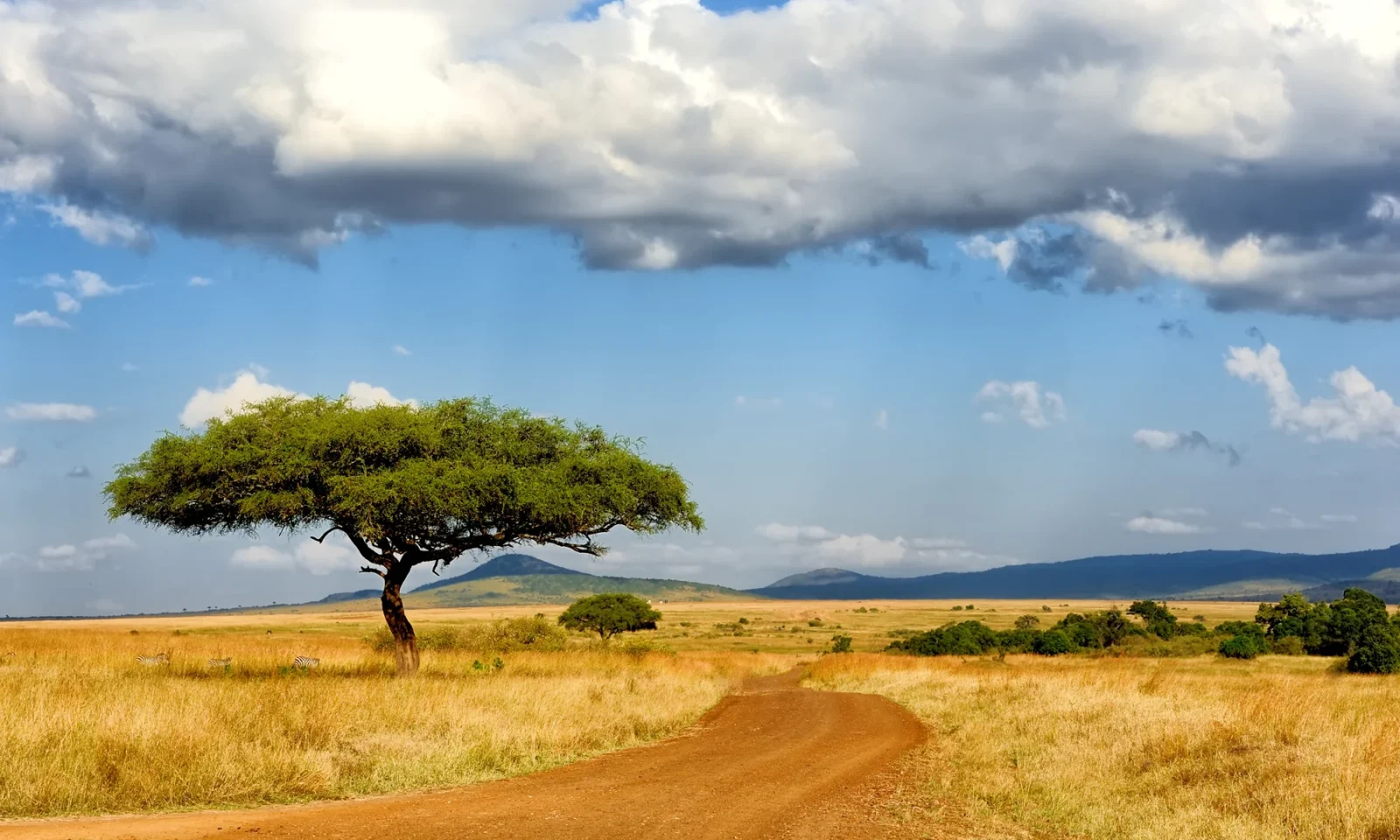
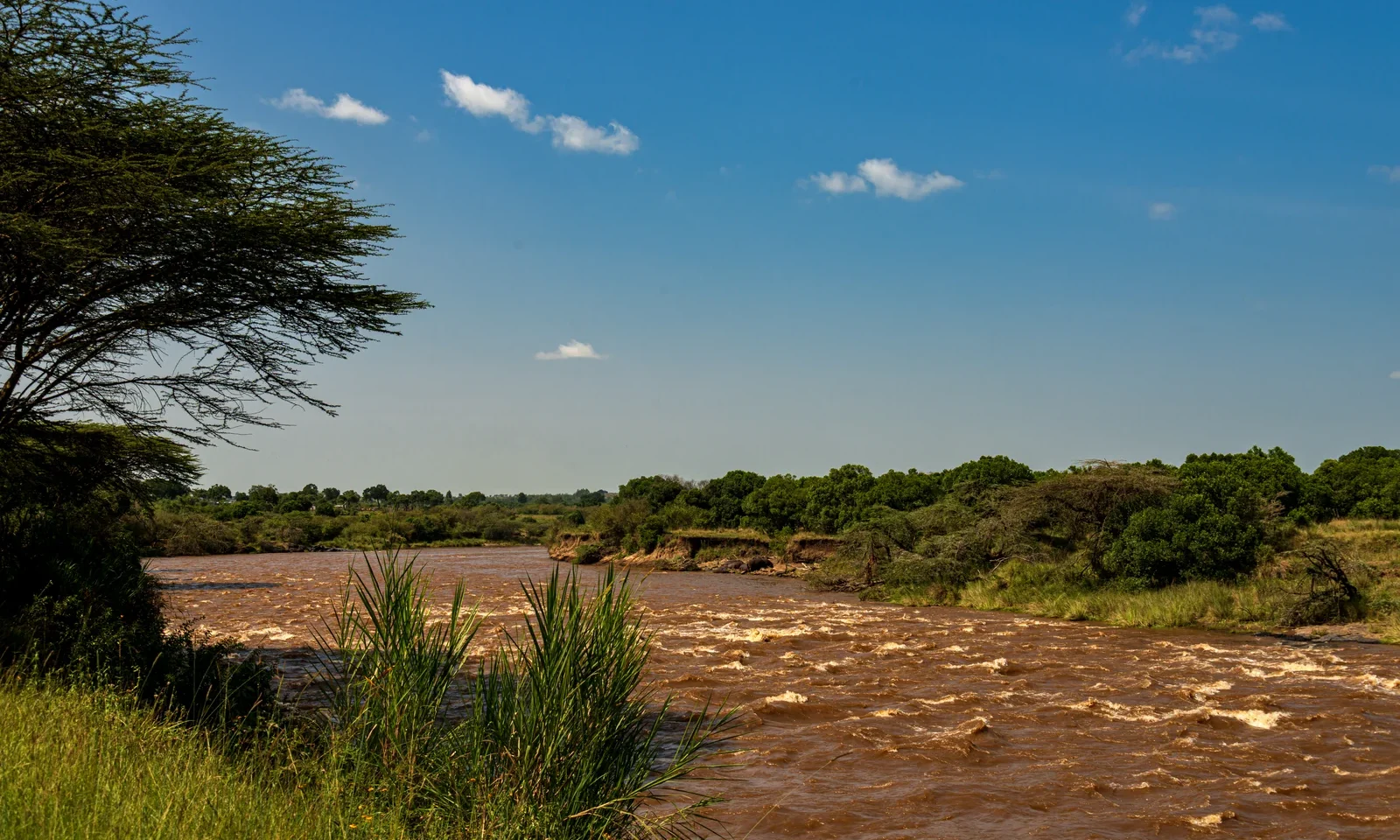
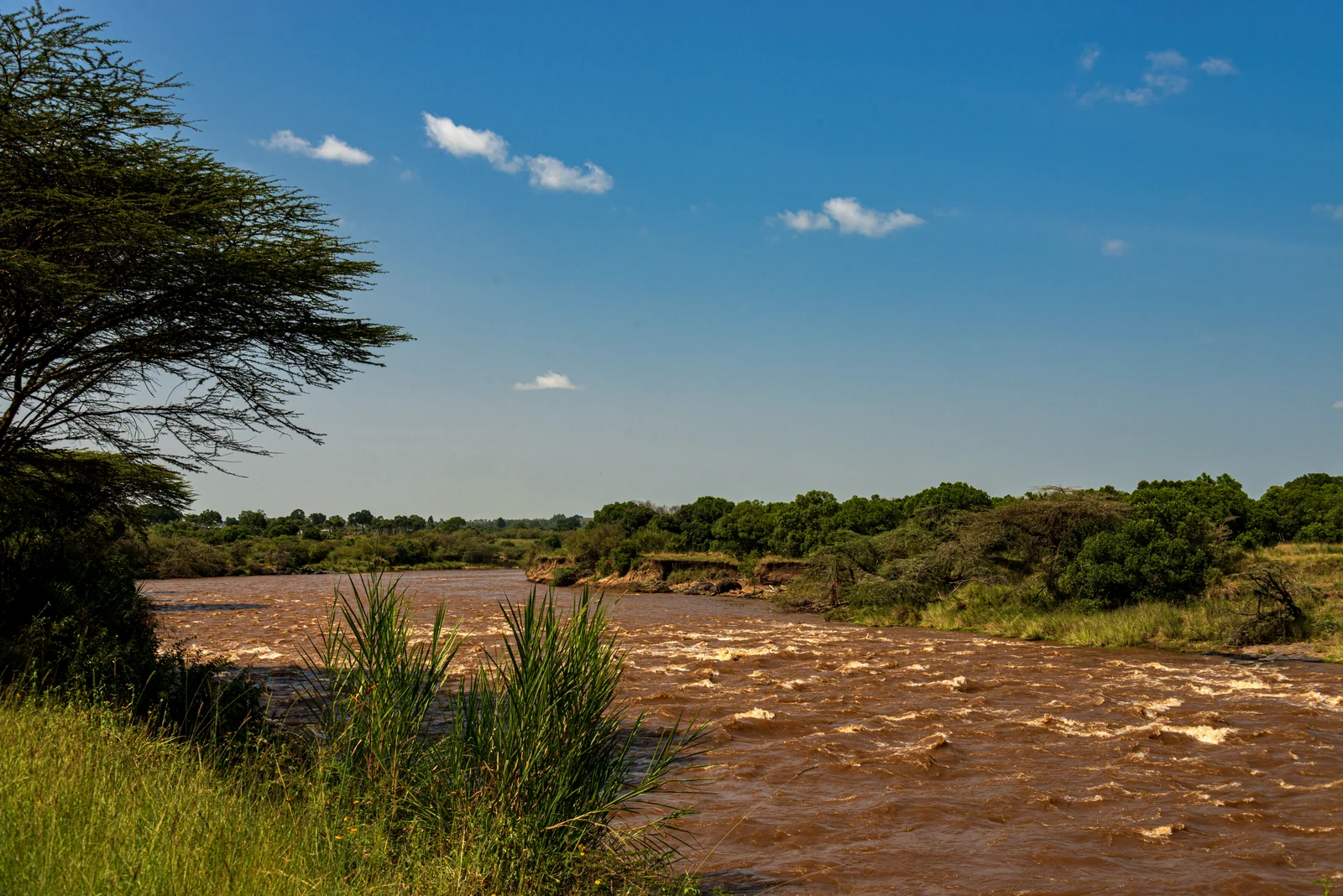
Our Mara North photograph shows the river beside Karen Blixen Camp, with a wooded margin and open sky beyond. It is a specific viewpoint, not a generic image of every Mara River site. Comparing it with the reserve’s open grassland shows how a traveller’s attention can shift: from a broad horizon to the near bank, vegetation and the movement of water.
Use those contrasts as questions for a guide. Which habitat are we looking at? What changes along this stretch? Which parts are accessible on today’s route? You do not need to attach a dramatic event to every place. A quiet look at the physical setting can make later wildlife observations easier to understand without claiming ecological expertise you do not have.
Keep people within the landscape story
The broader Mara is also a lived and worked landscape. Landowners, guides, conservation staff and tourism businesses are active participants, not a decorative background to wildlife. A conservancy account can introduce those relationships, but a visitor should not assume that every person encountered is speaking on behalf of a whole community or wants to become part of a travel story.
Choose an organized opportunity to learn when that is offered by the people hosting it. Ask about the purpose of the visit and respect the boundaries of the invitation. Read published local work before arriving so that your questions can move beyond a generic request to see culture. Specific interest in someone’s work leaves more room for an ordinary professional conversation.
Allow a route to have limits
Seeing the Mara as a whole does not require covering every named place in one stay. Constantly transferring between areas can leave little time to understand any of them. A smaller route with clear contrasts may serve you better than a long list of camp names. Treat the whole landscape as the context for your choices, not a checklist that a short trip must complete.
A simple planning note can record the area, habitat, overnight base, transfer and reason for including each day. Remove a move that has no clear purpose. Keep the reserve and Triangle distinction visible, and check any wider Kenya tour carefully: Nairobi or another national park may be part of the offer without a Maasai Mara visit being included at all. The named itinerary, not the regional heading, is the evidence.
Continue with the primary sources

Full Day Dolphin Watching with Snorkeling in Wasini
Our tour is truly unique because it is deeply rooted in the local community and focused on conservation. Every aspect of the experience is driven by l...

Mombasa City Tour
Rich Cultural Heritage Mombasa is a melting pot of cultures, influenced by Arab, Portuguese, British, and African t...

Nairobi Masai village Day Tour Experience
This is an exclusive well detailed tour of the Masai culture and various activities from both men and women. The mak...

Nairobi National Park Elephant Orphanage and Giraffe Centre
Your Nairobi National Park and Giraffe Centre tour stands out for its seamless combination of urban proximity and ri...
Read the other Mara guides alongside the current details supplied by your accommodation and operator. This is independent editorial guidance, not a promise of access, availability or a wildlife encounter.