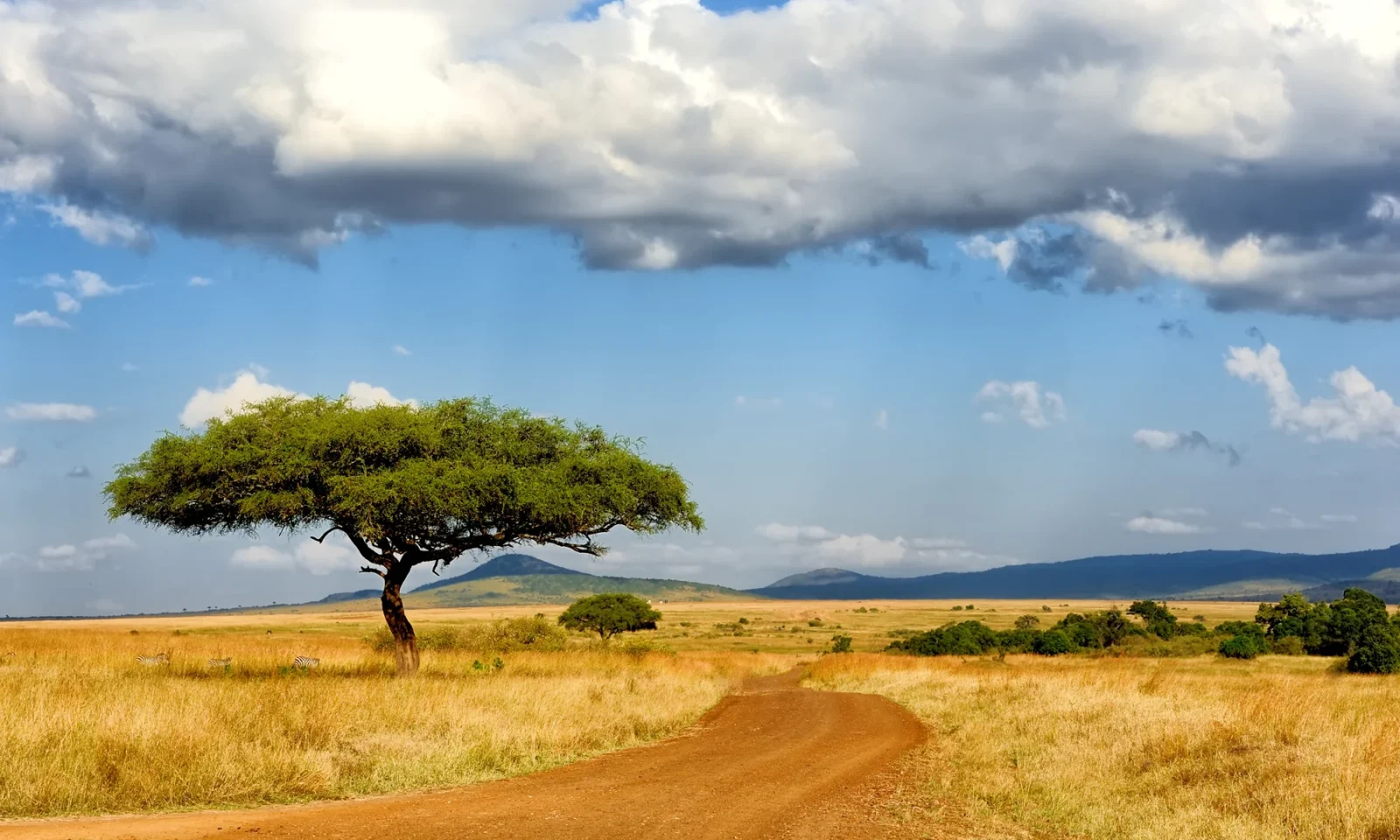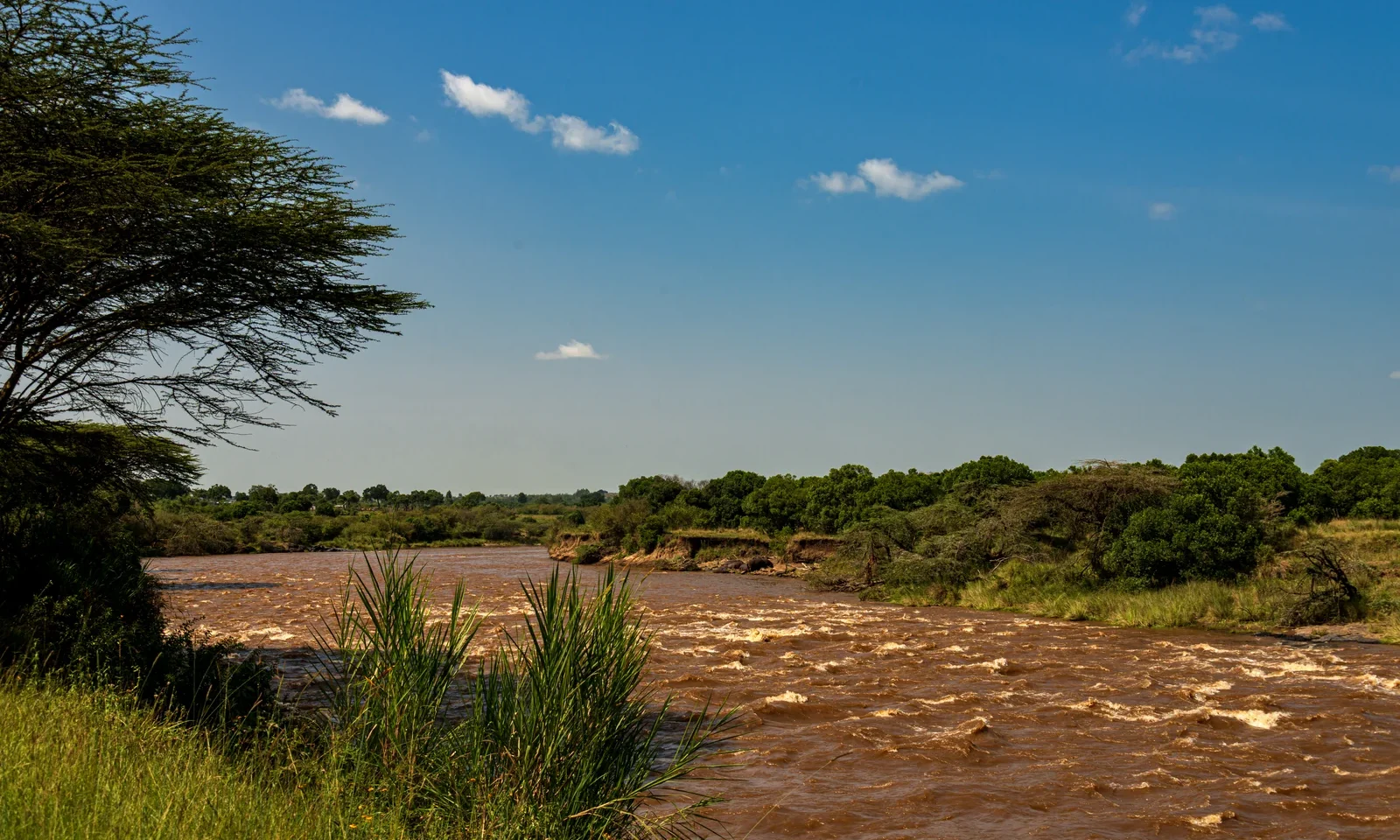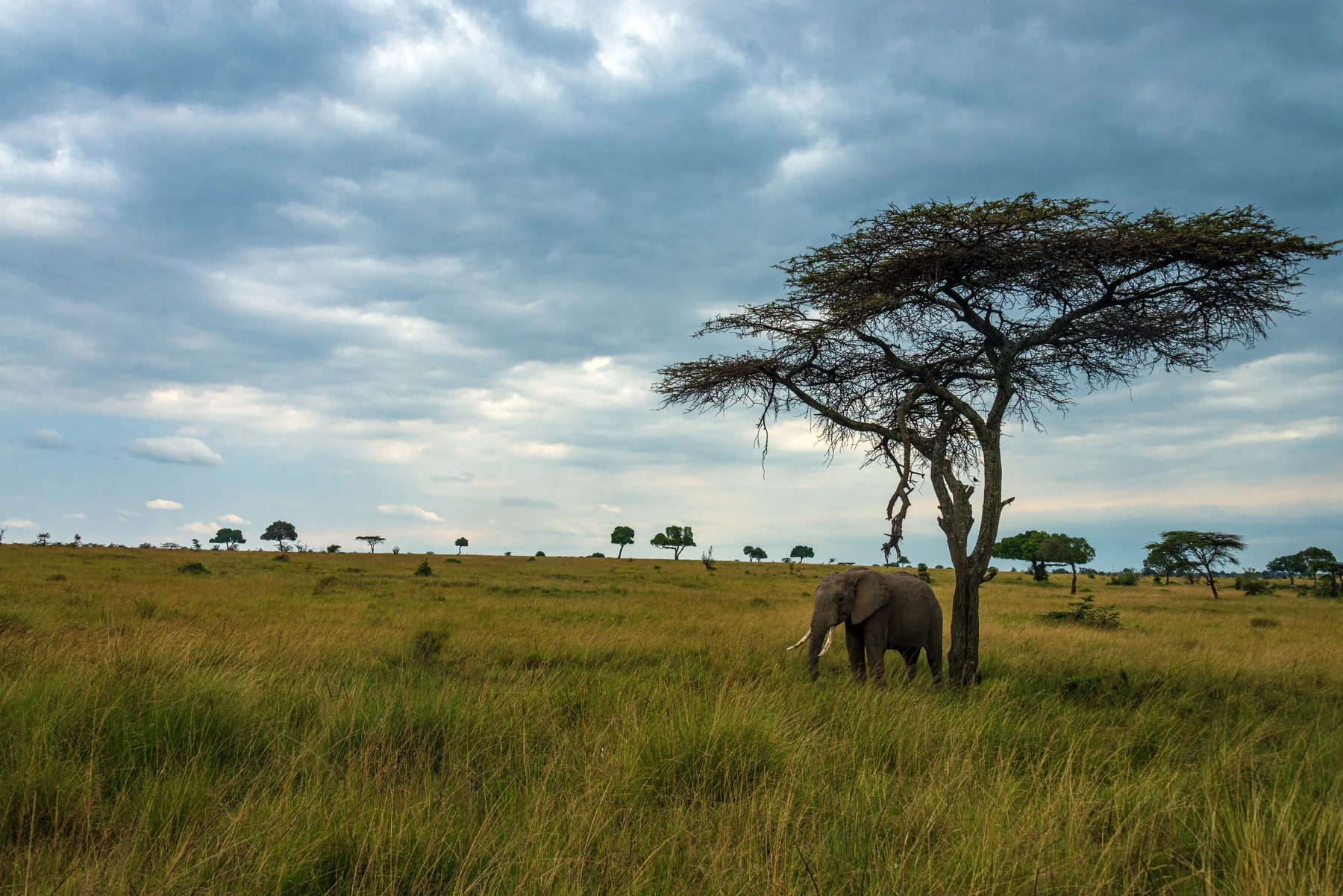
A conservancy is more than a setting for a camp. In the wider Mara, it connects land, livelihoods, wildlife and tourism through a particular local arrangement. The Maasai Mara Wildlife Conservancies Association describes a network of named conservancies and conservation areas rather than one uniform product. Understanding that diversity is a better starting point than assuming that every place outside the reserve offers the same experience.
Begin with the exact conservancy name. Mara North, Naboisho, Siana and other areas have their own histories and partnerships. Their proximity to one another does not establish shared admission, accommodation access or activities. Ask the accommodation to explain its relationship to the named area and which parts of a proposed visit it can actually arrange.

Full Day Dolphin Watching with Snorkeling in Wasini
Our tour is truly unique because it is deeply rooted in the local community and focused on conservation. Every aspect of the experience is driven by l...

Mombasa City Tour
Rich Cultural Heritage Mombasa is a melting pot of cultures, influenced by Arab, Portuguese, British, and African t...

Nairobi Masai village Day Tour Experience
This is an exclusive well detailed tour of the Masai culture and various activities from both men and women. The mak...

Nairobi National Park Elephant Orphanage and Giraffe Centre
Your Nairobi National Park and Giraffe Centre tour stands out for its seamless combination of urban proximity and ri...
Follow the relationship behind the room
MMWCA describes landowner participation as central to the conservancy model. Tourism can be one part of the relationship, but the details matter: who holds land, how agreements work and how local decisions are made. A broad conservation claim in a booking description is not enough to answer those questions. Look for a named organization and an explanation of the arrangement, rather than treating a wildlife photograph as evidence of community benefit.
Mara North’s own partnership account discusses landowner committees, tourism partners and practical livestock work, including mobile bomas. That is a reminder that this landscape also supports working lives. A visitor does not need to become an expert in land agreements, but can pay attention to the specific activity and organization being described. Avoid assuming that an initiative at one conservancy applies throughout the Mara.
Listen to current local work
Community coverage should make room for people as professionals, organizers and decision makers. MMWCA’s account of women’s participation describes the Mara Women’s Forum and efforts to strengthen representation in conservancy governance. It is useful reading because it addresses who can take part in decisions, rather than presenting community life only as something a tourist watches.
In that account, Angela Paswa says, “Women leaders have advocated for the employment of female rangers and equitable distribution of bursaries.” The statement belongs to the association’s published story, not an interview conducted by this site. Read the full context at the source. We have not reproduced a contributor portrait or implied permission to speak for the people involved.
Ask practical questions about the stay
Ask whether wildlife activities take place within the conservancy, whether reserve visits are additional, and whether transfers and relevant fees are included. Confirm who will guide you and how shared or private vehicles work. A list of possible activities should be separated from the activities actually available for your dates, group and accommodation.
The same precision helps with visits involving residents, makers or other local businesses. Ask who hosts the visit, how the activity is agreed and what photography is welcome. Participation should not be treated as a universal cultural performance. If someone does not want to be photographed, the absence of a photograph does not make the encounter less valuable.
Compare evidence without ranking whole communities
A good comparison records the conservancy, the overnight location, the offered activities and the organization behind any stewardship claim. It can also note what remains unclear. This is more useful than assigning a simple ethical score to a whole area from a few promotional sentences. Outcomes and local perspectives can vary, and an independent travel guide should leave room for that complexity.
When comparing a conservancy stay with a reserve-based visit, neither label answers every question. Consider what you want to learn, how much moving between areas is involved and whether the proposed activities match your interests. Read the accommodation guide with the actual offer beside you. Keep written confirmations so that the trip you agree to remains connected to the place and people you intended to visit.
Continue with the primary sources

Traditional Kenyan Cooking Class & Local Market Tour
Are you ready for a Kenyan food adventure? Move like a local, shop like a local, cook like a local & eat like a local :). Experience 3 authentic lo...

3 Days Maasai Mara Guided Safari from Nairobi
This forms one of the unmissable safaris in Kenya and lends you the chance to visit central wildlife and safari dest...

Private Safari Tour : Nairobi National Park
You will have a great experience at the only wildlife National Park in the world within a capital city. The park is...

Private Adventure: Nairobi park, Elephants & Giraffe centre
Private tour Certified guides Well maintained tour vans Tour van withPop up roofs Complementary drinking water
Read the other Mara guides alongside the current details supplied by your accommodation and operator. This is independent editorial guidance, not a promise of access, availability or a wildlife encounter.

1 Day trip to Hells Gate and optional Lake Naivasha From Nairobi
Ride a bike and hike through Hell’s Gate National Park on a full-day, private tour from Nairobi to the wildlife reserve and Lake Naivasha that inclu...

3 days group joining safari to Maasai Mara with a Land Cruiser Jeep
Maasai Mara National Reserve is an area of preserved savannah wilderness in southwestern Kenya, along the Tanzanian...

Safari Tour; Nairobi National Park
Enjoy Free WIFI connection and stream live photos and videos to family and friends back at home. A short drive out o...