A safari description can use the words Mara, reserve, Triangle and conservancy within the same paragraph. They are not interchangeable. Before comparing the room, vehicle or wildlife photographs, establish which named place the itinerary actually visits. That small distinction gives the rest of your planning a firmer basis: where you arrive, who manages access, which activities are included and how much time you spend moving between areas.
The Maasai Mara National Reserve is the protected area at the centre of this guide. The Mara Triangle is its western sector, not a separate community conservancy. The Mara Conservancy manages the Triangle and publishes its own visitor information. Surrounding conservancies, including Mara North and Naboisho, have their own landowner relationships and visitor arrangements. A shared ecosystem does not make one booking valid everywhere.

4 Days wildebeest lake nakuru masai mara safari
Visit the very best national parks and reserves in the Great Rift Valley; Lake Nakuru home to thousands of flamingos as well as the rare black and whi...
Read the landscape without inventing a boundary map
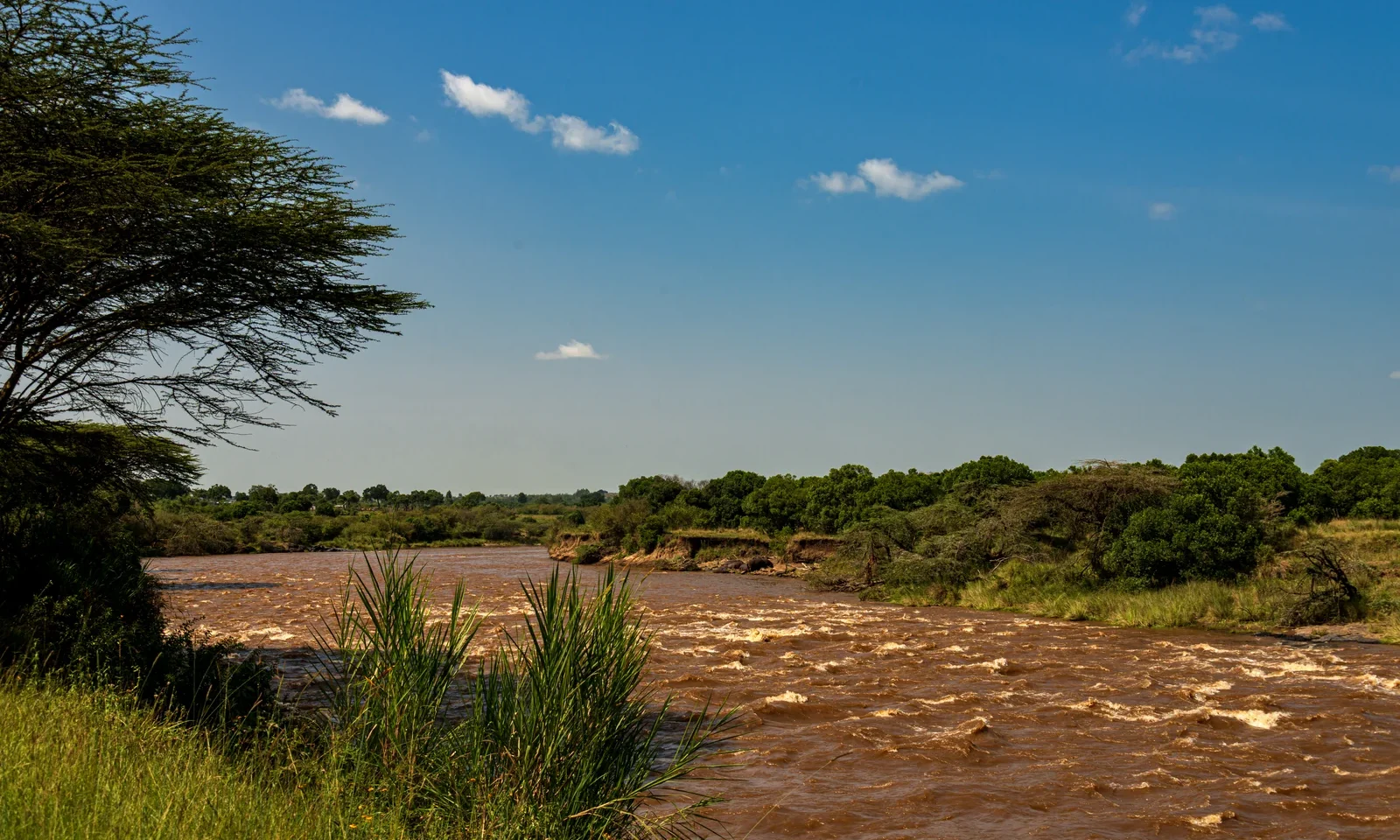
The Mara Conservancy describes the Triangle through three defining edges: the Mara River, the Oloololo Escarpment and the international boundary with Tanzania. These features help explain its shape. They do not mean that every photograph of a river, hill or distant grassland can be assigned to the Triangle. Use the manager’s map for orientation, and ask your operator to identify the actual gate, crossing and accommodation location.
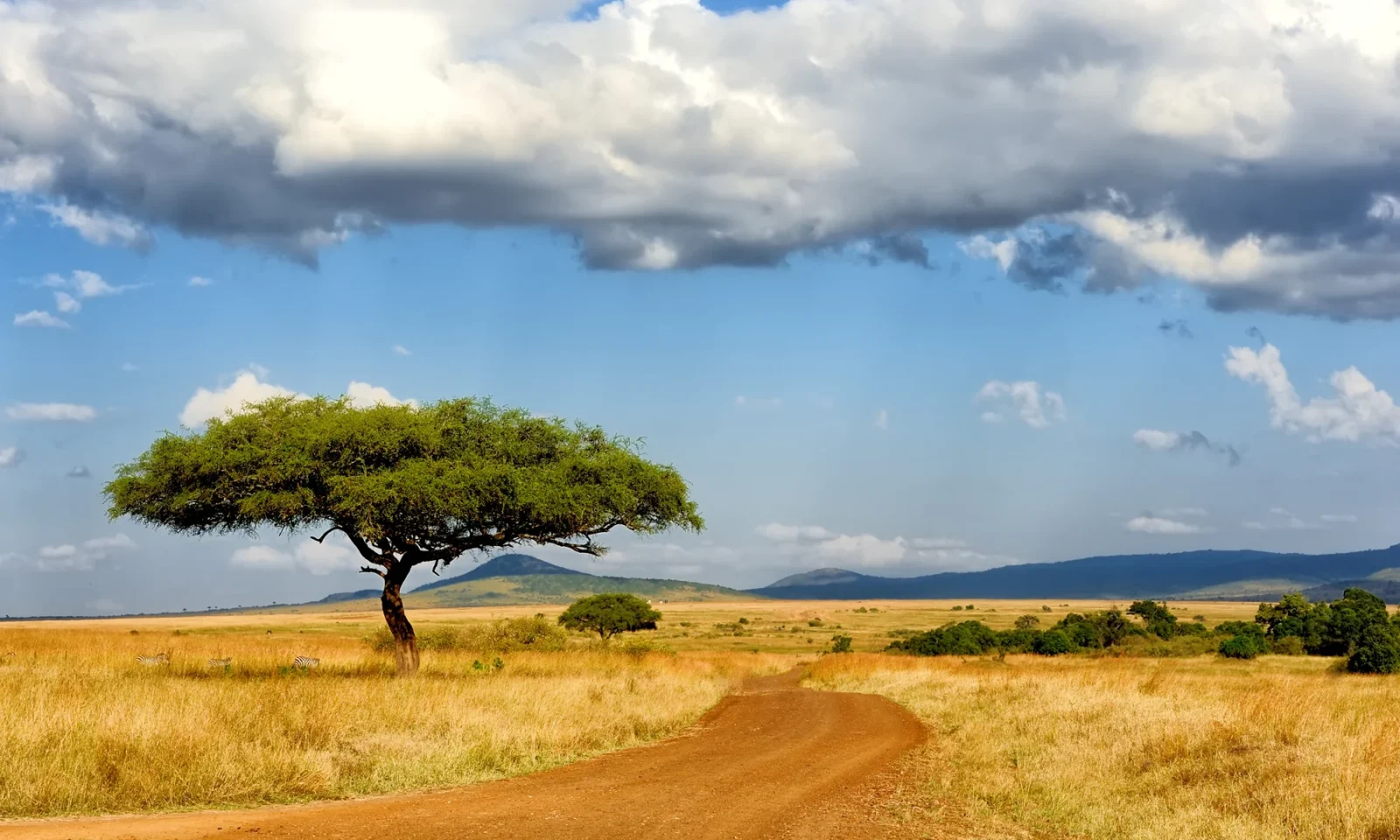
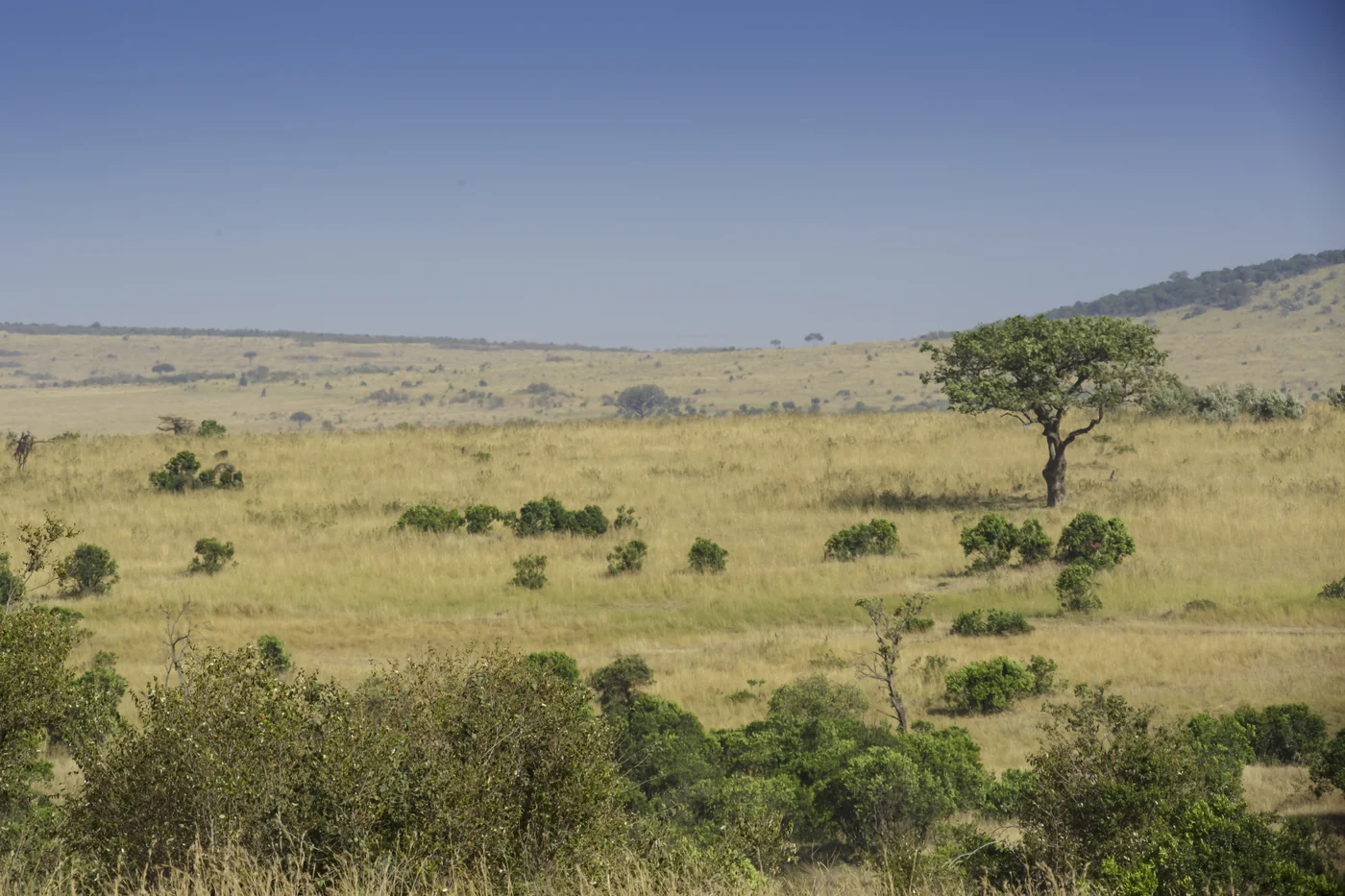
Our photographs are captioned to the location supported by their source. An image identified only as Maasai Mara National Reserve stays at that level of specificity. The connected image fields on this site are an editorial comparison, not a map of property boundaries or a representation of which tracks a visitor may use.
Match the route to the place you are staying
Ask for the camp or lodge’s position in relation to the reserve and your intended visiting area. A name containing Mara does not establish that it lies within the reserve. Accommodation outside a gate may be a sensible choice, but you should understand the transfer involved. Equally, a conservancy stay can have its own wildlife activities while a reserve visit is arranged separately.
A useful written itinerary names the overnight base, the reserve or conservancy visited each day, the transport and any separate entry arrangements. If it only says game drive, request the location. If a drive crosses between sectors, ask which route is intended and what is included. This avoids turning a day that looked simple on paper into a series of unexpected transfers.
Compare days rather than a wildlife checklist
The reserve contains open ground, scattered trees and river-related habitats. Seeing how those settings differ can be a worthwhile purpose for a day, even when particular animals do not appear. Tell your guide if landscape, birds or patient observation matter to you. An itinerary built entirely around one hoped-for sighting gives weather, access and animal movement too much power over whether the day feels successful.
Leave the sequence flexible enough for the conditions your guide actually finds. The image of a famous river crossing is a record of an event, not a booking entitlement. Different parts of a day can offer different light and activity; the guide’s current local judgement is more useful than an inflexible list copied from someone else’s visit.
Keep operational details with the manager
Consult the current Mara Conservancy visitor pages for Triangle rules, maps and fees, then have the operator explain how they apply to your booking. We do not reproduce a fixed tariff or gate timetable here because those details can change. Carry the booking information in a form you can consult away from a reliable data connection.
Before confirming, be able to answer three plain questions: where will I sleep, which named area will I visit, and what does the quoted price include? Once those answers are clear, move on to the conservancy guide if your route includes land beyond the reserve. Keeping the terms precise makes the landscape easier to appreciate.
Continue with the primary sources
4 Days wildebeest lake nakuru masai mara safari
Visit the very best national parks and reserves in the Great Rift Valley; Lake Nakuru home to thousands of flamingos...
4 Days wildebeest lake nakuru masai mara safari
Visit the very best national parks and reserves in the Great Rift Valley; Lake Nakuru home to thousands of flamingos as well as the rare black and whi...

3 days group joining safari to Maasai Mara with a Land Cruiser Jeep
Maasai Mara National Reserve is an area of preserved savannah wilderness in southwestern Kenya, along the Tanzanian...

1 Day trip to Hells Gate and optional Lake Naivasha From Nairobi
Ride a bike and hike through Hell’s Gate National Park on a full-day, private tour from Nairobi to the wildlife re...

Safari Tour; Nairobi National Park
Enjoy Free WIFI connection and stream live photos and videos to family and friends back at home. A short drive out o...
Read the other Mara guides alongside the current details supplied by your accommodation and operator. This is independent editorial guidance, not a promise of access, availability or a wildlife encounter.